

Evolving Architectural Paradigms for Modern Homes
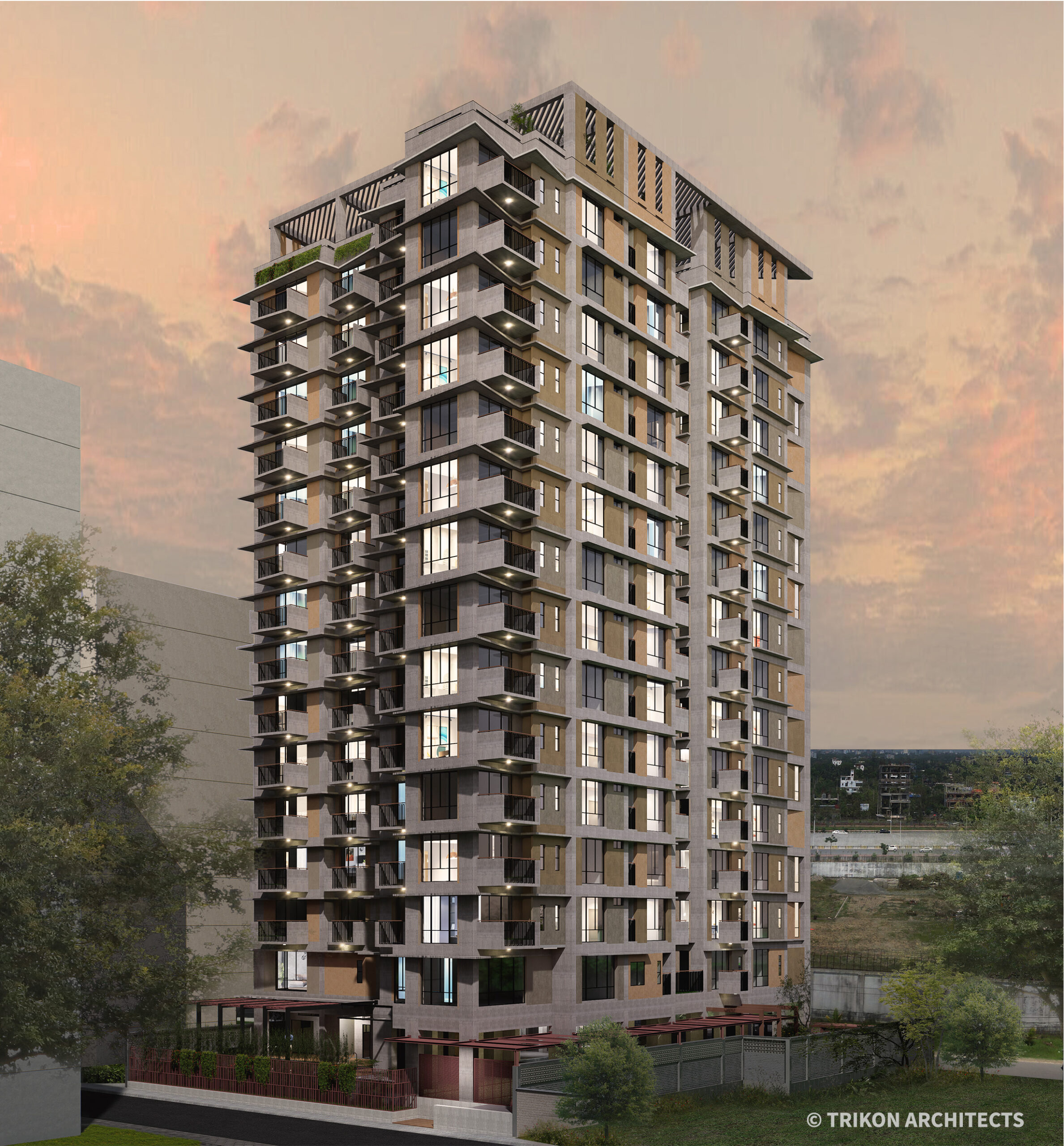
In the ever-changing world of architecture, modern homes are a representation of functionality, adaptivity, efficiency and eco-consciousness that designed with all the modern need and requirements in mind. Because of the continuous change, architects are challenged with rethinking the traditional way of designing, incorporating accommodating needs and technology within the home design. In this discussion, the philosophy of modern homes and how they can be functionally innovative will be discussed.
Embracing Today’s Lifestyles:
Modern days have many different necessities. These necessities also can be varied from person to person. Therefore, contemporary living spaces need to be carefully designed to accommodate the dynamic lifestyles of their inhabitants. While designing and planning, architects give meticulous consideration to the various details including the consideration of inhabitants’ need and the environment. The indoor and outdoor spaces need to be effortlessly integrated so that people can feel grounded and connected with nature. Creating a amicable design and planning choices blend both the need and requirements of urban living with the natural way of living.
Sustainable Design:
As our world is changing, and the urban growth is rapidly increasing, accommodating the large population is now a huge challenge for the world. Continuous construction causes environmental damage, which is now becoming a biggest concern for the human. This is why, architects and planners are focusing on sustainable and eco- friendly development to reduce the carbon consumption and promoting sustainability. Modern home design also needs special requirements to be more sustainable. Architects are incorporating smart appliances that consumes less energy, solar panels, green roofs, rainwater reuse facilities. These environmentally conscious features seamlessly blend into the overall design helps to construct a sustainable modern home.
Tech Integration:
Technological advancement took a step further toward modern home design. Integrating modern technology into home design is necessary to cope with the ever-growing needs of the inhabitants. Smart home system allows residents to control their entire home with their fingerprint. Automated lighting system, voice activated assistance are some examples that seamlessly integrating comfort and efficiency within home. These innovations are examples of intelligent living spaces that evolve and adapt to meet our day-to-day life needs that also requiring these tech touch.
Expressive Design:
Architectural design is like a canvas for the architects and designers. Working with form and function to express the vision of the architects and express the preferences of the residents. Executing design with clean lines, geometric shapes, and a minimalist aesthetic can make a home express a sense of sophistication and elegance. Architects include and work with light, texture, and carefully selected materials to create an environment that can blur the boundaries between materialistic environments and connect with nature. Through thoughtful considerations, modern homes are now not just places to live but a place of comfort and motivation for individuals.
Flexible Spaces:
In our bustling city life, space is a great consideration. Because of the population rise and other facts living in a limited space now become a more necessity. Adapting to live within limited space by creating contemporary and modern design solutions is now a challenge for both architects and designers. Creating comforting and efficient spaces with multi-functionality, convertible furniture, and modular layouts can effortlessly accommodate modern shifting lifestyles. Whether it is a matter of growing a family or designing a home office, these residences are meticulously designed to adapt and ensure the ever-changing demands of modern living.
Community Connectivity:
With growing city life people are becoming busier thus isolated from the community. Engaging people more with each other, promoting connectivity, and creating social resilience are focuses for architects. Architects can design in such a way that fosters interaction and a sense of belonging. From communal green spaces to shared amenities, modern neighborhoods are designed to encourage connection and community engagement among the residents. Architects can play a vital role in creating engaging and connected spaces.
Cultural Sensitivity:
Culture and heritage are integrated parts of our life. Although our busy life often deprives us of connecting with our past. Culture not only fosters social values but teaches us about tradition and diversity. Architects draw inspiration from different cultures, incorporating elements of traditional architecture and design into contemporary spaces. Considering culture and tradition is about honoring the past while embracing the present, creating homes that resonate with individuals need and preferences.
Modern homes are an embodiment of innovation, eco-consciousness, and individuality, reflecting the essence of contemporary living. Architects are responsible for creating this delicate balance and crafting spaces that seamlessly blend with creativity. Careful design with sustainable principles and enriched by technological breakthroughs, these homes redefine our relationship with our living environments and embrace a lifestyle that is both mindful and modern.






Leave A Comment