
14 Steps to Designing Your Custom House
Designing a custom home is a great way to tailor every aspect of your living space to your preferences and lifestyle, resulting in a unique and satisfying experience. However, building a custom home involves multiple deliberate stages, from the initial concept to the finishing touches. To help you navigate the design process with ease, we have put together a comprehensive guide.
Define Your Goals and Needs
Before moving forward with the design process, it is important to clearly state your needs and goals for your custom home. You should consider your lifestyle, the size of your family, and any special requirements. Determine the number of bedrooms, bathrooms, and other necessary rooms. In addition to any special features such as a home office, gym, or outdoor living area, consider your preferred architectural style. By doing so, you can ensure that your custom home design meets all of your requirements and preferences.
Create a Realistic Budget
Creating a precise and reasonable budget is a crucial part of the custom home design process. This budget should include permits, building expenses, design fees, and any unforeseen expenses that may arise. To make informed decisions during the design and construction stages, it is vital to have a clear understanding of your financial limitations.
Hire a Professional Architect or Designer
If you’re planning to build a house, it’s advisable to hire an experienced architect or designer to assist you with the design process. These professionals bring in-depth knowledge of local building codes, aesthetics, and spatial planning to the table. Collaborating with an architect ensures that your vision is not only beautifully designed but also practical and compliant with legal requirements. Additionally, they can help you navigate any obstacles that may arise during the construction process.
Conceptualize the Layout:
It’s crucial to work closely with your architect to create an initial floor plan. During this stage, you should consider how the areas flow, where the rooms are located, and how each area is connected. It’s also important to take into account factors like views, ventilation, and natural light. Before moving on to more intricate design elements, fine-tuning the layout is essential. You should carefully consider the locations of the kitchen, living areas, and bedrooms, as well as any specific requirements you have, such as utility or storage rooms.
Consider Energy Efficiency and Sustainability
Include sustainable and energy-efficient design elements in your house. This entails making the most of natural lighting, selecting eco-friendly materials, and adding energy-saving appliances. Through lower energy use, designing with sustainability in mind not only helps the environment but also lowers long-term costs.
Select Materials and Finishes
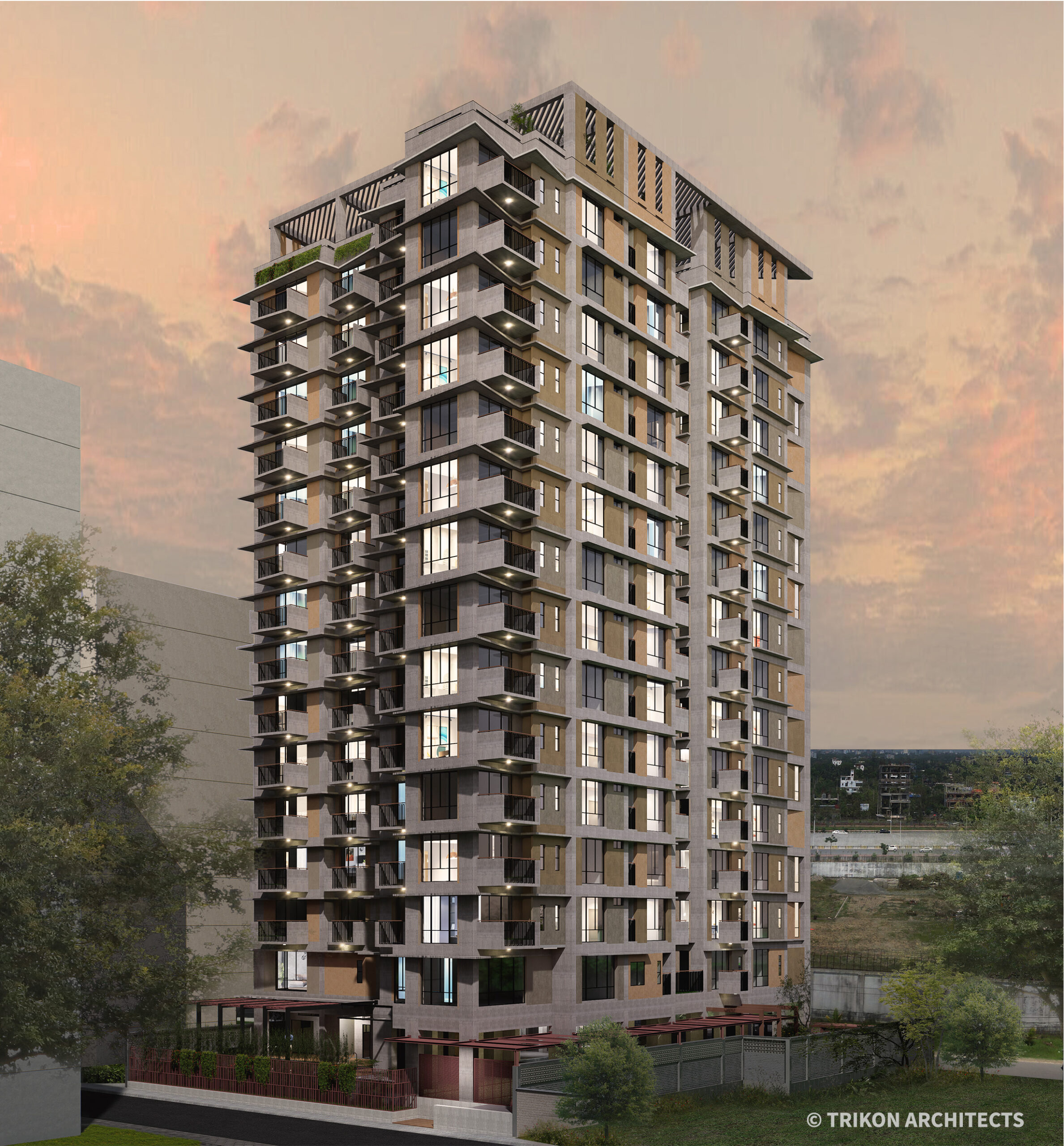
Selecting the right finishes and materials is a crucial step in the design process. Collaborate with your architect and, if needed, an interior designer to choose flooring, counters, cabinets, and other components that complement the overall design concept. While making this decision, consider factors like cost, upkeep, and durability. This step involves choosing both the interior and exterior surface materials for your home based on both aesthetic and functional considerations
Review and Revise the Design
Review the design iterations regularly with your architect, offering comments and making required adjustments. This iterative process guarantees that your vision and expectations are reflected in the final design. Talk about any issues or changes that should be made, whether they have to do with functionality, aesthetics, or space arrangement. To refine the design at this stage, effective communication is essential.
Incorporate Smart Home Technology
While designing a home, it is important to incorporate smart home technology such as energy management tools, security systems, and home automation systems. By planning for these technologies during the design stage, your home can be outfitted with contemporary amenities that cater to a technologically savvy lifestyle. This will allow for seamless integration and ensure that your home meets your needs.
Finalize Construction Documents
Collaborate with your architect to complete the construction documents, which consist of detailed drawings and specifications. These records are crucial for obtaining licenses and guiding the building process. They provide builders and contractors with comprehensive instructions to ensure that the design is executed precisely and in compliance with regulations.
Work with a Reputable Builder
Pick an established builder with knowledge of building custom homes. To guarantee that the design is correctly executed and the building process goes without a hitch, work closely with the builder. For any problems that may come up during the construction phase, effective communication between the homeowner, builder, and architect is essential.
Regular Site Visits and Inspections
It is important to visit the construction site regularly to monitor the progress of the work and promptly address any issues that may arise. At major milestones, conduct inspections to ensure that the work adheres to the approved design and quality standards. By actively participating in the construction process, you can ensure that the final product meets your vision and address any concerns as they arise.
Personalize Interior Design
Once the framework of your house is in place, focus on the interior design. Consider aspects such as lighting, furniture, and decoration. Personalize each space to reflect your unique style, and create a cohesive, inviting atmosphere. For enhanced visual appeal, seek the assistance of an interior designer.
Landscaping and Outdoor Spaces
Give patios, decks, and landscaping equal consideration in your design. Adding to the overall curb appeal and functionality of your home, these spaces are an extension of it. Create outdoor areas that fit your lifestyle and blend in with your home’s architectural design by working with a landscape architect.
Quality Control and Punch List
Before finalizing the project, it is essential to conduct a comprehensive quality control inspection. Create a punch list that includes all the remaining tasks that need to be addressed, or small issues that need to be fixed. These tasks must be taken care of to ensure that you are completely satisfied when your custom home is delivered. A thorough quality control procedure can significantly enhance the durability and usefulness of your house.
To sum up, creating a custom home involves a thorough process that calls for careful consideration of several variables. Through adherence to these guidelines and cooperation with skilled experts, you can design a residence that fulfills your functional requirements while also showcasing your flair and augmenting your general standard of living.


Leave A Comment