
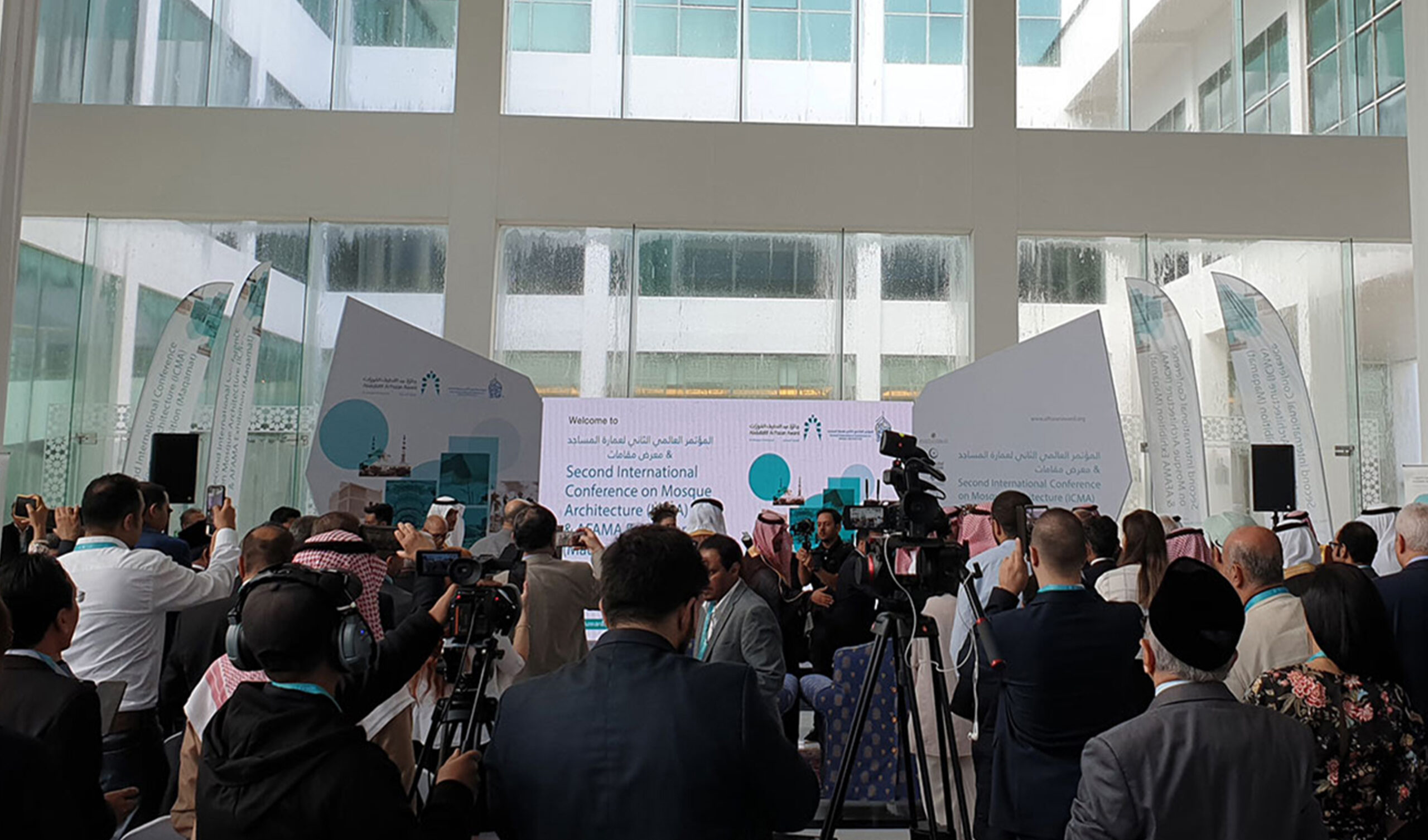
Ar. Shafique Rahman, Principal Architect of Trikon Architects, delivered an academic speech on “Terracotta Decoration in the Mosque Architecture of Bengal” at the International Conference of Muslim Architecture (ICMA) 2019, held in Kuala Lumpur, Malaysia. The presentation focused on the historical evolution and architectural significance of terracotta as a defining element of mosque architecture in the Bengal region.
Mosque architecture in Bengal began to flourish from 1204 A.D., developing a distinct identity shaped by local climate, cultural practices, and the availability of building materials. Unlike neighboring regions where stone was predominant, Bengal’s deltaic geography led to the extensive use of terracotta bricks, which served both structural and decorative purposes. Terracotta ornamentation introduced rich surface articulation through patterned façades, tiles, and intricate motifs, adding a unique aesthetic dimension to Islamic architecture in the region while reflecting its environmental context.
The speech explored the origin, characteristics, and historical background of terracotta decoration in Bengal’s mosque architecture. As part of his research, Ar. Shafique Rahman analyzed traditional terracotta techniques to understand their potential for contemporary application, including ornamented façade design, architectural detailing, tiling, and landscape elements. The presentation highlighted how this material tradition continues to offer valuable insights for modern architectural practice rooted in regional identity and material intelligence.






Leave A Comment