

Choosing The Ultimate Style Layouts for Your House Plans
Choosing the best style layouts for your house plans is a critical stage in the process of building your dream home which not only represents your own taste but also affects the functioning and overall ambiance of your living area. The following significant considerations may assist you in choosing the ideal style layouts for your house plans:
Lifestyleand Preferences:
The appearance and view of the house are significantly influenced by the homeowner’s aesthetic preferences. Hobbies and pastimes may dictate the existence of specialized rooms, whether for social gatherings, creative endeavors, or tranquil retreats. Additionally, desires for privacy, sustainability, and indoor-outdoor living are taken into account while making design choices, resulting in a home that reflects each individual’s values.
Practical Needs:
Considerations such as the number of bedrooms, bathrooms, and the provision of designated places for work, play, and leisure immediately address pressing needs. Furthermore, storage solutions, traffic movement, and accessibility elements guarantee that the plan meets the practical needs of everyday living. This practical approach extends to the integration of efficient systems for heating, cooling, and utilities for a comfortable, well-functioning house.
Balancing Public and Private Spaces:
The design should gently orchestrate the interplay between social gathering places and personal retreat sections. Thoughtfully placed open-plan living areas enable community interactions and build a sense of togetherness, while private bedrooms and personal spaces give the seclusion and tranquility required for relaxation. This balance of public and private spheres guarantees that the home is not only visually beautiful but also operationally harmonious, accommodating both the necessity for social gatherings and the yearning for personal refuge.
Flow and Circulation:
Open and unobstructed routes provide a sense of spaciousness and coherence, improving the functionality of everyday tasks and promoting a sense of continuity.Whether it’s the smooth transition from the kitchen to the dining room or the seamless link between indoor and outdoor areas, an intelligently planned flow enhances the entire experience of a house, where mobility becomes a harmonic and fluid aspect of everyday life.
Architectural Style:
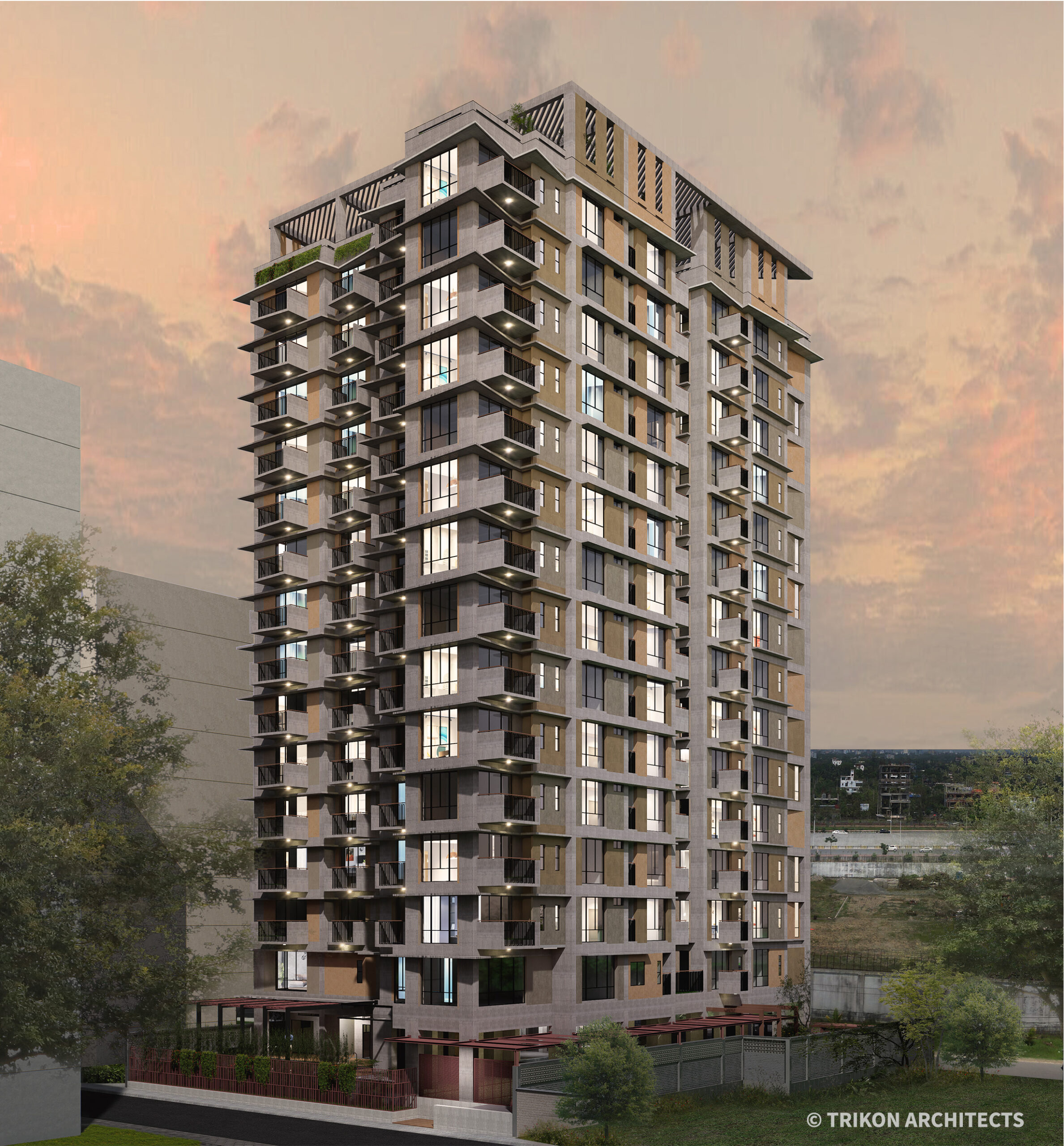
The architectural style you choose determines the atmosphere of your living space, whether you prefer the classic allure of a colonial design, the crisp lines of a modern aesthetic, or the coziness of a rustic cottage. It not only develops the character of the exterior but also works in harmony with the interior design, resulting in a cohesive atmosphere that appeals to your own tastes.
Local Climate Consideration:
The design should function as a responsive barrier against the elements, maximizing comfort and energy efficiency. In colder climates, a design that optimizes passive solar gain while minimizing heat loss is essential. In contrast, natural ventilation, shade, and thermal insulation are essential in warmer areas for maintaining a pleasant interior atmosphere.
Outdoor Spaces:
This connection between indoor and outdoor spaces promotes an open and expansive feeling, making your living area appear larger and more adaptable. This fusion of indoor and outdoor components is more than simply a design option; it’s a lifestyle choice that emphasizes your relationship with nature, resulting in a living place that is more than just a house but a sanctuary of holistic well-being.
Adaptability and Future Growth:
By embracing adaptability, your house develops into a place that can easily change and grow together with you. This innovative strategy makes sure that your home goes beyond just being aesthetically pleasing and useful, adapting to match your changing requirements and objectives as you go through life.
Local Regulations:
In addition to being required by law, adherence to building rules, zoning regulations, and architectural principles will also affect your design decisions. Your home will be safe, structurally sound, and in compliance with local regulations if your house designs are in line with these rules.
Professional Guidance:
Architects, designers, and builders bring a lot of knowledge, experience, and creative ideas to the table.Their recommendations guarantee that the plan and design you choose are in keeping with your artistic tastes as well as practical needs, regional laws, and environmental sustainability. They can help you transform your concept into a unified and efficient plan, maximizing every square foot of space.
Aesthetic Harmony:
A well-thought-out design provides a seamless synthesis of internal and outside aesthetics, resulting in a unified and visually pleasant atmosphere.Aesthetic harmony of design and arrangement improves the overall attractiveness and coherence of your living space, transforming it into an artistic masterpiece in which every area and every detail adds to a symphony of aesthetics that resonates with your own taste.
Budget Considerations:
To minimize overspending and potential financial difficulty, it’s essential to stick to your spending plan. Balancing your style and layout decisions with your budget ensures that your house is both visually beautiful and financially viable.
Finally, selecting the ideal style layouts for your house designs is a thrilling but difficult undertaking. It includes striking a careful balance between beauty, usefulness, and practicality. You may start the journey of building a house that genuinely expresses your vision and objectives by taking into account your lifestyle, architectural preferences, spending limit, and the distinctive features of your area.


Leave A Comment