
Innovative Design Elements in High-End Homes, A Look at Luxury Architecture
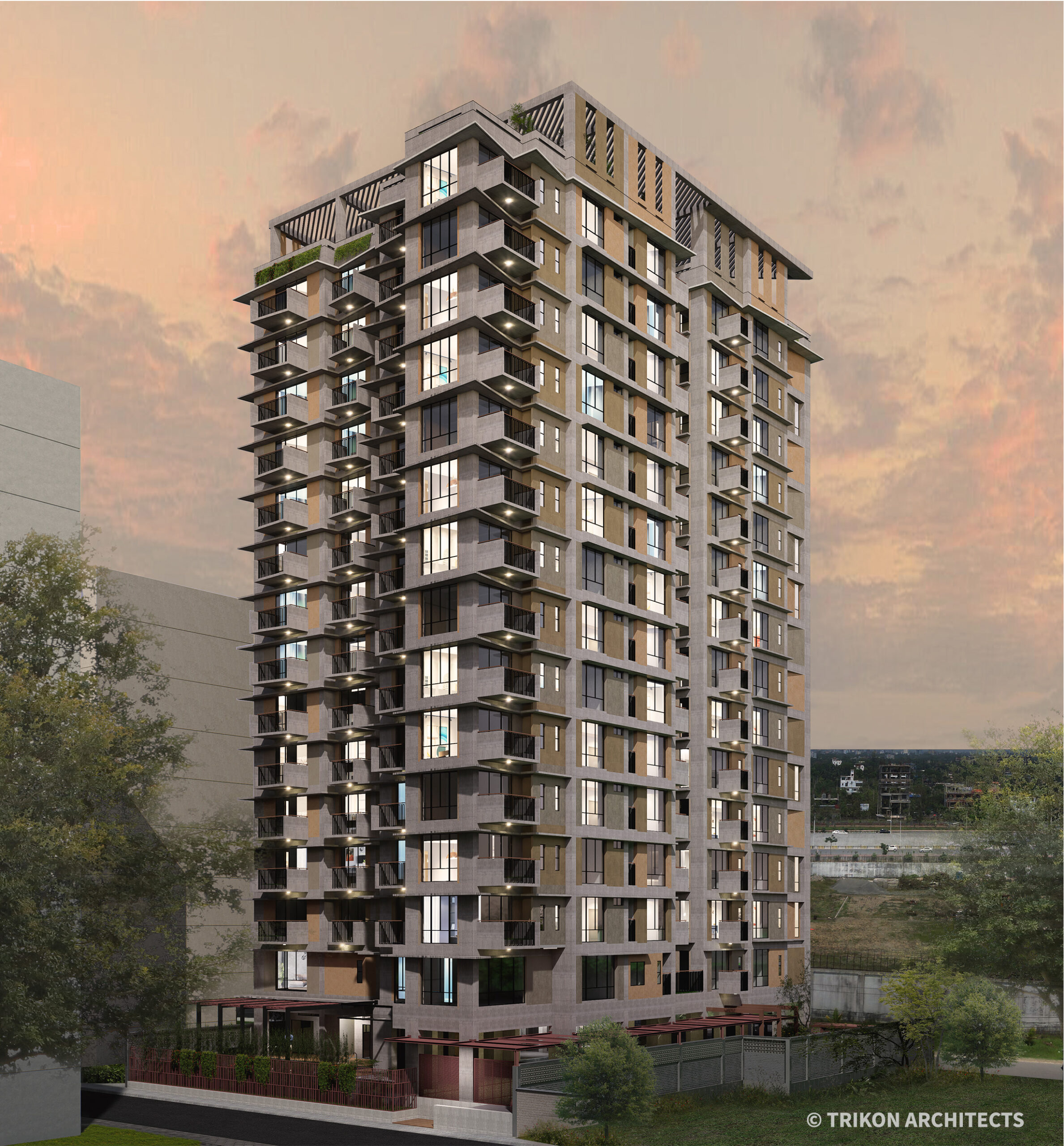
Luxurious architecture is the practice of using new ideas, innovations, and skills to make buildings different from other types of architecture. There’s more to luxury homes than just living in them. They’re experiences that positively change what it means to be comfortable, stylish, and secure. There is so much more to explore the innovative design elements that define luxury architecture, from the new ways of using materials and technology to new ways to design spaces and to be environmentally sustainable.
Creative use of material is a major feature of high-end homes. Designers and architects carefully choose materials that are both expensive and unique. The materials can vary from rare marbles from a different country to woods harvested in a way that will not harm the environment and highly advanced plastics. Every part of these materials is picked to amaze the dwellers and to be amazed at the hard work that went into making it. When different textures and finishes are put together in a beautiful composition, it gives the rooms more depth and visual interest, which makes the experience both luxurious and comfortable.
Luxury architecture needs modern technological advancements as it has become an important part of high-end homes. Innovative methods are used in every system to make life easier, safer, and more comfortable. The inclusion of smart home technology can help people handle their lighting, indoor climate, security, and entertainment systems with a mere touch of a button or control smart devices. Smart technologies are advanced so far that there are voice-activated services now that can provide control over various home functions making life more advanced and efficient. Security measures in high-end homes have come a long way. Advanced surveillance systems like smart lock systems with cameras, biometric scanners, and face recognition technologies all can make people safe and secure. The climate control system has also become advanced which can control indoor temperature, light, and energy efficiency making life comfortable and sustainable.
High-end homes are also known for their creative use of space. Architects change the way how a traditional layout works to make spaces both lively and dynamic which blur the line between indoor and outdoor living, particularly in high-end homes. Open floor plans, large glass walls, and smooth shifts between interior and exterior spaces can provide more natural light and wide views creating a sense of openness and harmony with nature in the house making it beautiful and lavish. Spaces can also be modified to serve features like courtyards, terraces, and rooftop gardens which can bring the elements of natural life inside amidst the busy urban life. There can be many flexible design elements like movable partitions and multifunctional furniture allowing rooms to be quickly rearranged for different needs from entertaining guests to quiet relaxation. These kinds of innovative spatial designs in high-end homes create very usable, effective, and time-saving elements that are also aesthetically pleasing.
Luxury architecture is advancing over time it is also becoming more and more sustainable. High-end homes include eco-friendly features in their services to blend luxury with sustainability. Many homeowners are looking for environmentally friendly features that reduce their environmental impact. There are many ways to make a home eco-friendly such as natural ventilation and daylight harvesting as elements of passive design techniques to optimize energy efficiency and also reduce the need for artificial heating and cooling. There are also renewable energy sources like solar panels and geothermal heating which are being used in these homes. They are reducing carbon footprints and fossil fuel needs leading to a comfortable living without compromising nature. Also, there are sustainable design features that can also be economic like rainwater harvesting systems which can help with water conservation. Green roofs and natural landscapes can improve air quality and provide habitats for urban wildlife. Some materials can also make a home more sustainable. For example, reclaimed wood, recycled metal, and low-VOC paints can provide healthy indoor air and reduce environmental impact. These features are both responsible and forward-thinking.
Innovative design elements can also be presented with art and craft pieces. Customized furniture, handcrafted woodwork, and beautiful art can add to luxury and personality in these high-end homes. These custom-designed elements are carefully crafted to create an environment that represents the homeowner’s taste and aspiration. Art becomes a major part of these architectural statuses with paintings, installations, and sculptures serving as a focal point in the house.
Luxury architecture also includes an overall approach to wellness and comfort by including features that promote health and relaxation. Outdoor spaces and outdoor amenities are carefully designed to enjoy leisure and recreation. There can be amenities like swimming pools, tennis courts, and playing grounds for relaxation and enjoyment. Advanced cleaning systems and temperature control can provide perfect house conditions for its dwellers. The innovative designs are not only for the aesthetics but also for the wellness and comfort of its residents.
Innovative design elements are the core of luxury architecture. Designing high-end homes that redefine the meaning of luxury, elegance, and comfort at a new level. High-end homes are the best examples of architecture because they use materials and technology in creative ways that are both smart and environmentally friendly. As long as we keep pushing the innovative design elements, luxury buildings will always inspire awe and admiration for years to come.
Author: Sarah Mubas-Sirah


Leave A Comment